|
Macro Magic in the Wild: Practical Tips for Insects and Flowers
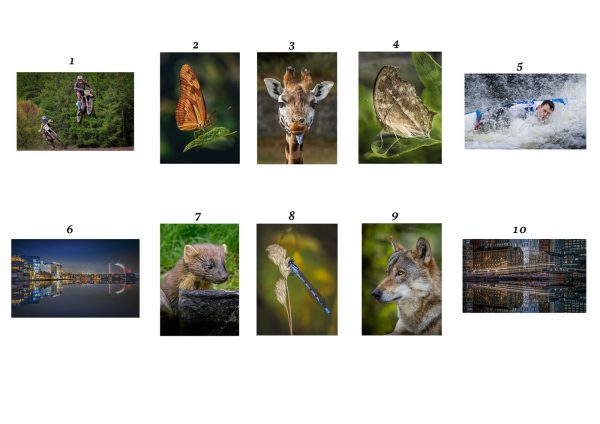
There’s nothing like getting eye‑to‑eye with a damselfly or revealing the geometry inside a tiny blossom. Here’s a field‑tested guide to sharper, cleaner macro photos outdoors—without scaring off your subjects or fighting the wind.
Gear that helps (without having to haul a studio with you)
Use a true macro lens (1:1) if you have it. Extension tubes or a close‑up filter are compact, affordable ways to get closer with a lens you already own.
Add controlled light. A small speedlight with a diffuser, a ring/twin macro light, or even a DIY foam or softbox diffuser will tame harsh sun and let you stop down without pushing ISO.
Stabilise smartly. A travel tripod with a centre column that flips horizontal, a ground pod/beanbag, or a monopod with a tilt head improves consistency. A focusing rail helps for static subjects; for insects, rely more on body sway and AF.
Comfort = patience. Knee pads, a small mat, and a lightweight reflector/diffuser make staying low and waiting easy.
Camera settings that work
Aperture: Start around f/5.6–f/8 for insects (balance depth and diffraction), f/8–f/11 for flowers. Depth of field is razor‑thin at macro distances.
Shutter: For ambient‑only, aim for 1/250–1/500 to freeze movement. With flash, use your camera’s sync speed (often 1/200–1/250) and let the flash duration freeze motion.
ISO: Keep it as low as practical. Don’t fear ISO 800–1600 if it buys you sharpness; noise beats blur.
Focus: Use single‑point AF and move the point to the subject’s critical detail (insect’s near eye, flower’s stamens). For tiny subjects or low light, switch to manual and “rock” your body slightly to nail focus.
Drive mode: Use burst shooting while gently swaying through focus—one frame will often be tack sharp.
White balance: Cloudy or Flash gives pleasant warmth outdoors; set custom WB if using diffused flash plus daylight.
Fieldcraft: getting close without chaos
Time of day: Go early. Cool, calm mornings mean insects are sluggish, and winds are lighter. Dew adds sparkle and mood.
Approach: Move slowly from behind or at the insect’s level. Avoid casting a shadow over your subject.
Wind management: Use your body or a diffuser as a windbreak. Shoot during lulls. For flowers, gently stabilise a stem with a plant clip and a thin stake placed out of frame.
Backgrounds: Shift your angle for distant, uncluttered backdrops. A small change in position can turn messy foliage into creamy colour.
Composition: Focus on the story—eyes and gesture for insects; curves, symmetry, and leading lines for flowers. Try diagonals and negative space. Leave room for antennae and legs.
Perspective: Get low and level for a more intimate, lifelike look. Top‑down can be graphic for flat blooms; side‑light reveals texture.
Light that flatters
Diffuse, don’t blast. A soft, close light source wraps small subjects and controls specular highlights on wings and petals.
Use backlight for glow. Position yourself so the sun rims wings or lights translucent petals; fill with a diffused flash or a white card to keep detail.
Overcast is your friend. Even light simplifies dynamic range—add a hint of flash for sparkle and catchlights.
Advanced options
Focus stacking: For static subjects and zero wind, shoot a sequence shifting focus from front to back (manual focus in tiny increments or with a rail). Merge in software for full‑subject sharpness.
High‑speed flash: Lower flash power shortens flash duration to freeze motion (e.g., 1/32–1/64). Balance with aperture and ISO.
Magnification: Reversing rings or a 1:1 lens plus extension tubes push beyond life‑size—be prepared for minuscule DOF and tiny working distances.
Ethics and Stewardship
Do no harm. Don’t chill, pin, or trap insects. Avoid trampling sensitive areas; use existing paths where possible.
Leave it as you found it. Don’t pick or rearrange wildflowers. If you stabilise a stem, remove the clips and stakes after.
Quick field checklist
Batteries charged, cards cleared
Lens and diffuser clean
Small diffuser/reflector, clip and stake, brush/rocket blower
Knee pad/ground mat
Insect repellent, water, and sun protection
A Photo Challenge
Early‑morning macro: Capture an insect with visible dew and catchlights in the eyes. Aim for f/8, diffused flash at low power, and a clean background. Bring your favourite shot to next month’s critique with notes on light and approach. |